

Capability
Machine learning that earns its keep.
We build predictive models and data science that answer a real business question, then keep them accurate long after the launch, so the value does not quietly fade.
Overview
A machine learning model is only useful if someone acts on what it says. Too many models are built to impress in a notebook, then never wired into a decision, or they go live and slowly decay because nobody watches them. We build the kind that earns its keep: models tied to a clear decision, measured in money or hours, and kept honest over time.
We work end to end. We advise on which problems are worth modelling and which are better solved with a rule or a dashboard. We build the models, from forecasting and predictive maintenance to computer vision and optimisation, using methods that fit the data you actually have. Then we run them, with the monitoring and retraining that stops a good model from turning into a stale one.
Heavy industry taught us to respect the physical world. In oil and gas, mining, manufacturing and logistics, a prediction has to survive noisy sensors, missing readings and the fact that a false alarm costs a crew a shift. That discipline, treating accuracy, cost and trust as one problem, carries straight into the models we build for finance, retail, healthcare and beyond.
From Pune, Bengaluru, Indore and Kolkata, we pair experienced data scientists with engineers who know how to put a model into production and keep it there. You get plain answers about what the data can and cannot predict, and models your teams will rely on rather than second guess.

What we deliver
Inside our machine learning & data science work.
Predictive Analytics & Forecasting
Models that anticipate demand, churn, price, failure or risk, so you can plan ahead instead of reacting, with the uncertainty stated plainly rather than hidden.
Predictive Maintenance
Early warning on equipment health from sensor and maintenance data, so you fix the right asset at the right time and avoid both breakdowns and needless service.
Computer Vision
Vision models for quality inspection, safety monitoring, counting and defect detection, turning cameras already on site into a source of reliable measurement.
Optimisation & Decision Science
Models that choose the best option under real constraints, from routing and scheduling to inventory and pricing, balancing cost, service and capacity.
MLOps & Model Monitoring
The pipelines, versioning, monitoring and retraining that keep models accurate in production and catch drift before it quietly costs you money.
How we work
The same senior team, all the way through.
Define the decision
We agree the decision the model will support and how success will be measured, so we build something that moves a number the business cares about.
Explore the data
We assess the data honestly, quality, gaps and all, and set a realistic baseline. If the signal is not there, we say so before you spend on modelling.
Build & validate
We train and test models against that baseline, favour ones people can understand, and validate on data that reflects how they will really be used.
Deploy & monitor
We put the model into your workflow, watch its accuracy and drift over time, and retrain on a schedule so performance holds rather than fades.
- Days, not weeks
- To a first model you can judge on real data
- -25% typical
- Reduction in unplanned downtime or waste
- Continuous
- Monitoring, so accuracy holds after go live
Selected work
Machine Learning & Data Science in practice.
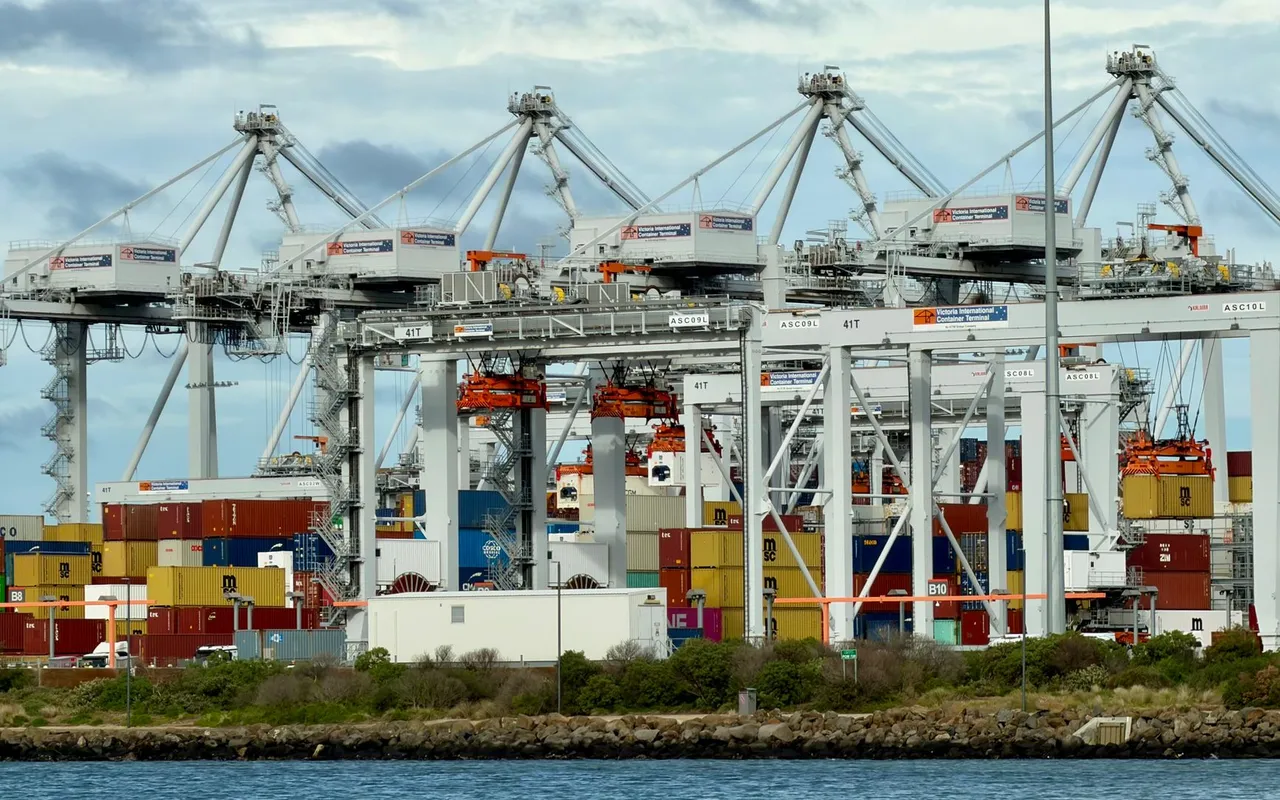
A container terminal operator
Joining berth, yard and gate into one flow for a container terminal
- Truck turnaround
- −26%
- Quay throughput
- +11%
- Yard dwell
- −15%
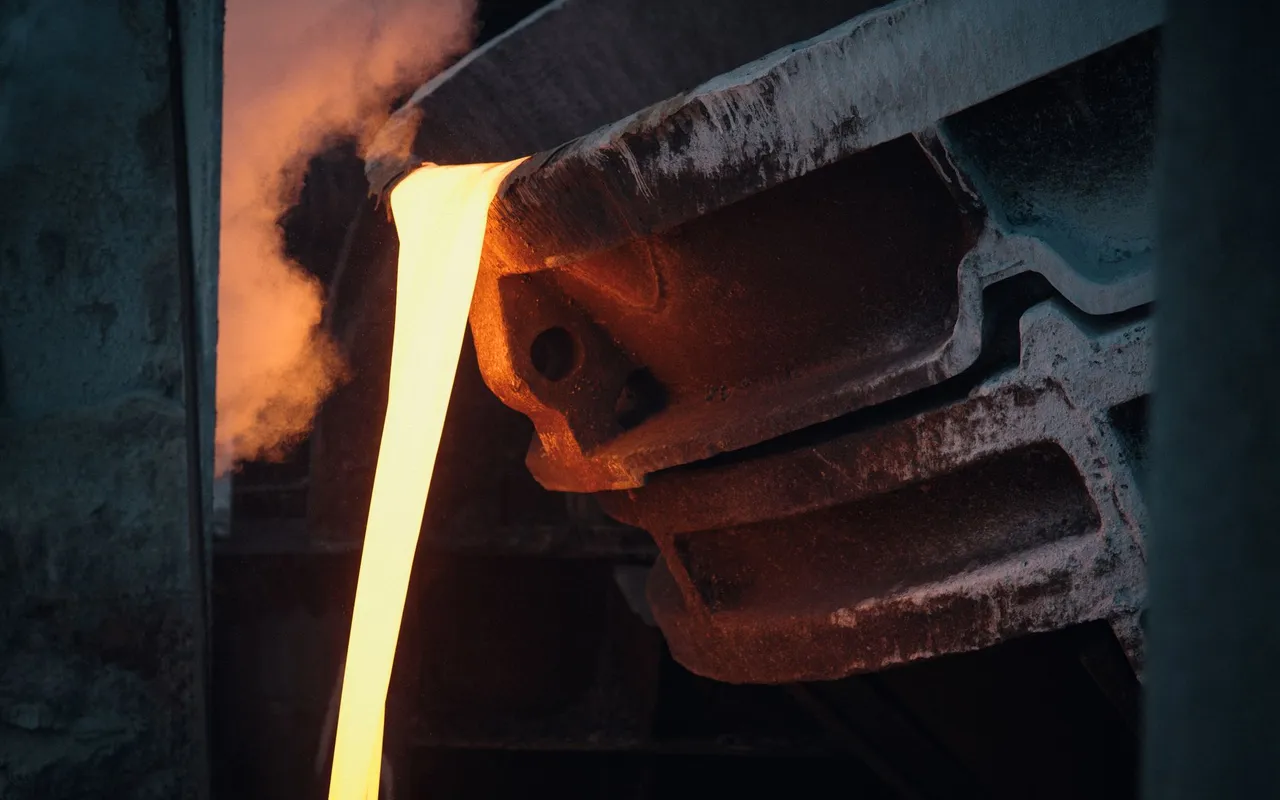
An integrated steel producer
Lifting yield and cutting off-grade at an integrated steel plant
- Prime yield
- +3.4 pts
- Off-grade and scrap
- −22%
- Energy per tonne
- −7%
FAQ
Questions we hear a lot.
What is the difference between machine learning and data science?
Data science is the broad practice of getting insight and decisions from data, including analysis and visualisation. Machine learning is one part of it: training models to predict or classify from patterns in data. In practice we use whichever fits, from a simple statistical model to a deep learning one, guided by the problem rather than the label.
How much data do we need to build a machine learning model?
Less than people fear for some problems, more than they hope for others. What matters is quality and relevance as much as volume: clean, representative history beats a huge but messy dataset. We assess your data early and tell you honestly whether it can support a reliable model before you invest in building one.
How does predictive maintenance actually work?
It learns the normal behaviour of an asset from sensor readings and maintenance records, then flags when a pattern starts to look like a past failure. That gives your team lead time to plan a repair instead of reacting to a breakdown. Done well it cuts both unexpected downtime and the cost of servicing equipment that did not need it.
Why do machine learning models lose accuracy over time?
The world changes: customer behaviour shifts, equipment ages, new products launch, and the data the model sees drifts away from what it was trained on. Without monitoring, accuracy quietly erodes and nobody notices until a decision goes wrong. We watch for that drift and retrain models so they stay accurate rather than slowly going stale.
Ready to put this to work?
Tell us the problem you are trying to solve. We will tell you how we would approach it, and whether this is even the right place to start.