
A container terminal operator · Ports & Shipping
Joining berth, yard and gate into one flow for a container terminal
The quay, the yard and the gate each optimised for themselves, so congestion moved around rather than clearing. We joined them into one live picture, and the whole terminal started to flow.
Written by Saurabh Thakur
- Truck turnaround
- −26%
- Quay throughput
- +11%
- Yard dwell
- −15%
The situation
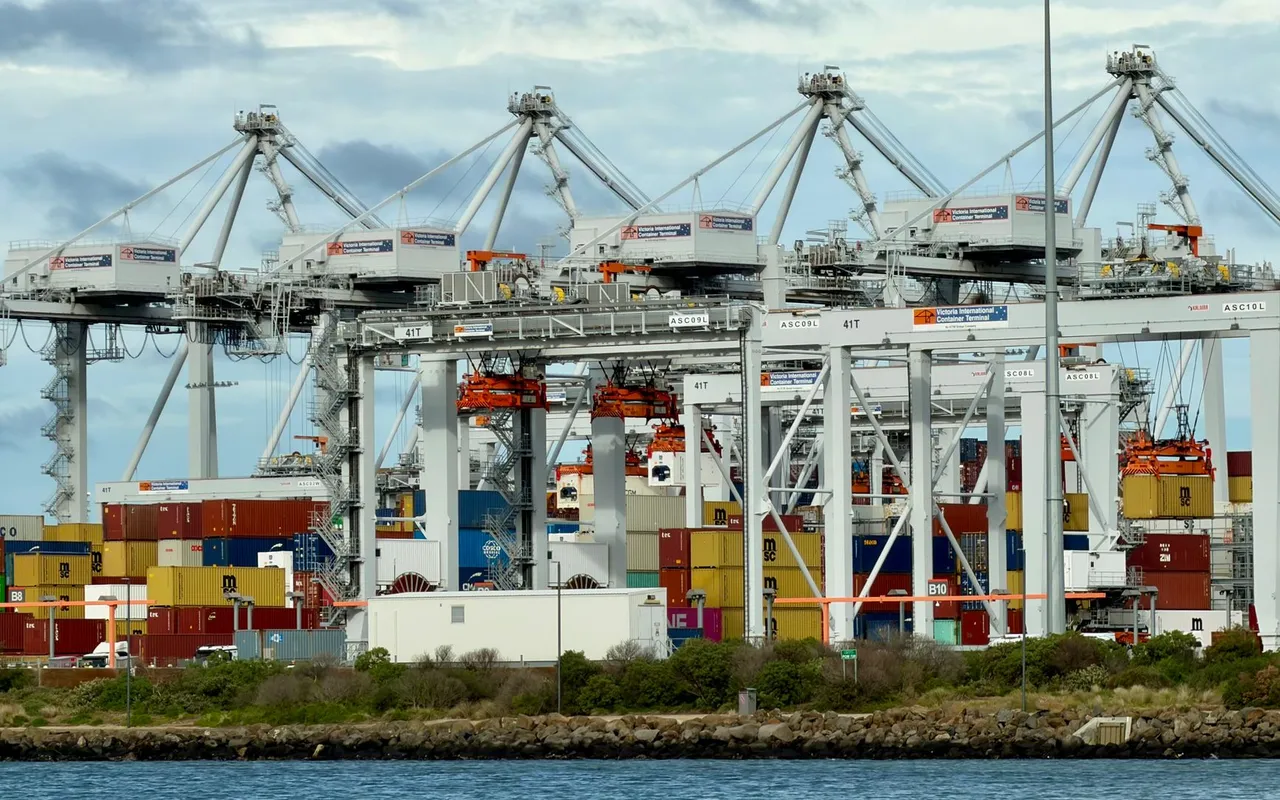
Our client operated a container terminal where three parts of the same operation ran as if they were separate businesses. The quay planned the ship. The yard planned the stacks. The gate handled the trucks. Each was managed well on its own terms, and yet congestion simply moved from one to the next, a busy quay filling the yard, a full yard slowing the cranes, a queue at the gate no one saw coming until the trucks were already backed up on the road.
Every team was working from its own screen and its own plan. What no one had was the whole terminal in one view, early enough to move a box or a resource before the jam formed rather than after.
What we did
We started on the ground, in the control room and the yard, learning how the plans were really made and where the flow actually broke, before proposing any system.
- We built one live picture that joins vessel and quay plans, yard positions and moves, and gate and truck activity into a single operational view the whole terminal works from.
- We modelled the flow, using the terminal’s own history to forecast gate arrivals, yard build-up and quay demand a few hours out, so congestion is seen forming rather than reported after.
- We turned the forecast into decisions, flagging where a re-stow, a gate adjustment or an equipment move would keep the terminal flowing, in the language the planners already use.
Because our founders have worked in heavy industry and complex logistics, we built for how a terminal actually behaves under pressure, not how a generic planning tool assumes it does.
The outcome
With berth, yard and gate visible as one flow, truck turnaround time fell by 26 per cent and the queues at the gate eased, while quay throughput rose 11 per cent on the same cranes and berths because the yard stopped starving them. Yard dwell came down 15 per cent as boxes were positioned for the move that was actually coming. The teams now work from one picture instead of three.
We continue to run and extend the platform as volumes grow.