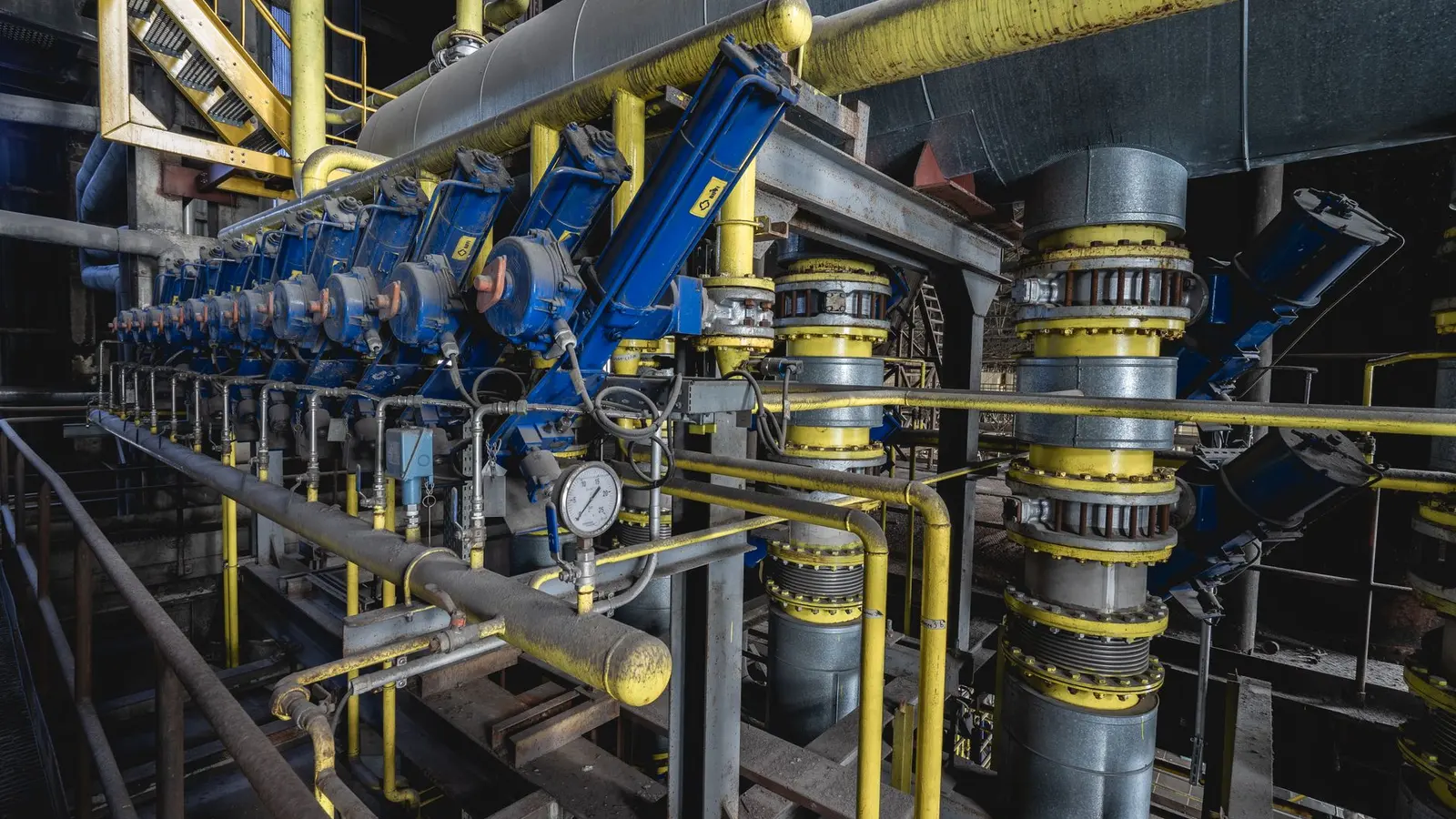

An integrated steel producer · Metals & Steel
Lifting yield and cutting off-grade at an integrated steel plant
Yield and quality data sat in the historian and the Level-2 systems but never came together, so off-grade was explained after the heat, not prevented. We joined the data and gave the plant models that flag risk while there is still time to act.
Written by Dinesh Khire
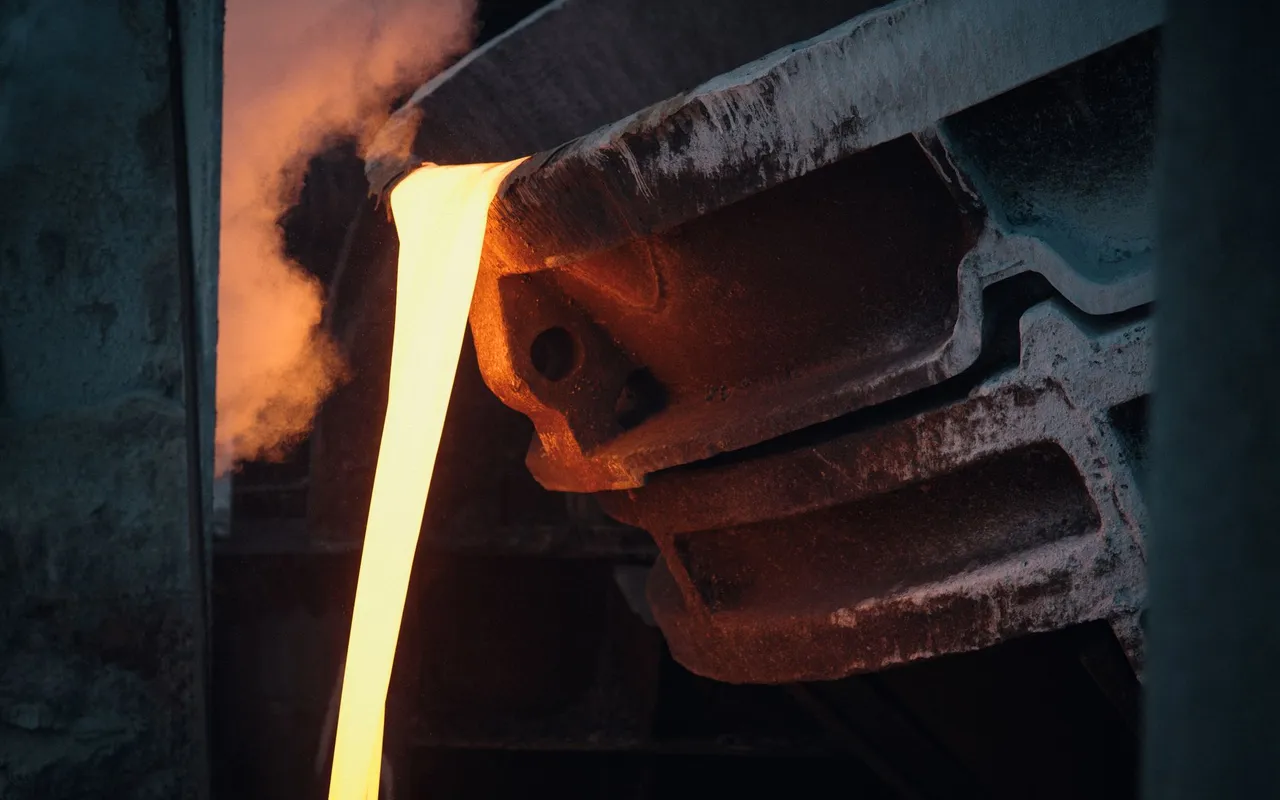
- Prime yield
- +3.4 pts
- Off-grade and scrap
- −22%
- Energy per tonne
- −7%
The situation
Our client ran an integrated plant, from the blast furnace and steelmaking through casting and rolling. The numbers that decided profit, yield, off-grade, energy per tonne, were all being recorded, but in places that never met. The process historian held tag data at the second. The Level-2 systems held heat chemistry, temperatures and setpoints. The quality lab held test results. Reconciling a bad coil back to the heat that caused it took a metallurgist a morning of spreadsheets, and by then the next cast was already running.
So off-grade was explained, carefully and after the fact, but rarely prevented. The plant knew there was yield sitting in the gap between those systems. They needed the data in one place, and they needed it early enough to change the outcome.
What we did
We began at the process, not the platform, walking the line with the operators and metallurgists to learn where quality was actually won and lost, which variables they already trusted, and which reports they quietly ignored.
- We built one data foundation that ties historian tags, Level-2 heat and cast records, and lab results to a common heat and coil identity, so a piece of steel can be traced end to end without a spreadsheet.
- We built the yield and quality analytics the plant had been assembling by hand, prime yield by grade and route, off-grade by cause, and energy per tonne broken down where it is actually spent.
- We trained models on the plant’s own history that flag a heat at risk of going off-grade from its chemistry and process signature, early enough for the caster and rolling to adjust rather than divert.
Because our team includes people who have worked in heavy industry, we built around how a steel plant really runs, the constraints of the sequence and the ladle, not how a generic tool assumes a factory behaves.
The outcome
With risk visible during the heat instead of after the coil, prime yield rose by 3.4 points and off-grade and scrap fell by 22 per cent against the same product mix. Energy per tonne came down 7 per cent as the plant stopped reheating and reworking steel that should have been right the first time. The morning spreadsheet reconciliation is gone, the numbers are simply there, tied to the heat and trusted.
We continue to run the platform and tune the models as new grades and routes come on.